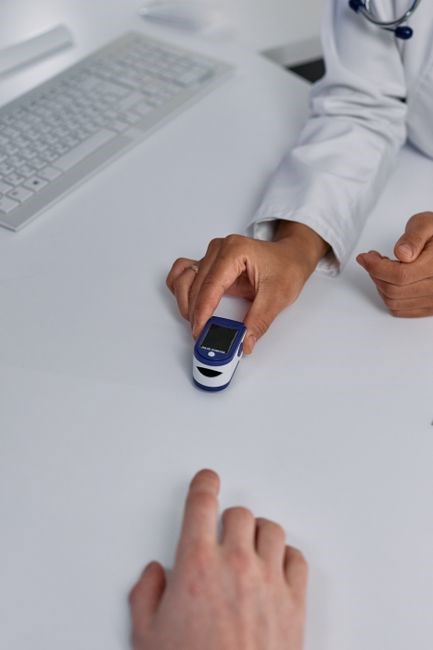
O2 Concepts portable oxygen concentrator manual offers concise guidance for users, covering safety, setup, and operation. Designed for home and travel use, it delivers reliable supplemental oxygen. The manual emphasizes proper handling, storage, and maintenance to ensure optimal performance. Keep it!!!
Safety Precautions
Before using the O2 Concepts portable oxygen concentrator, read all safety instructions carefully. Keep the unit away from water, heat sources, and flammable materials. Do not expose the device to extreme temperatures; operating temperature should remain between 32°F and 104°F (0°C to 40°C). Ensure the power cord is intact and free of damage; replace any frayed or exposed wires immediately. Do not use the concentrator on a bed or other soft surface that could obstruct airflow or cause overheating. Position the unit on a stable, flat surface, and avoid placing it in direct sunlight or near radiators. Keep children and pets away from the device. Do not attempt to disassemble or modify the concentrator; only authorized service personnel should perform repairs. Use only the supplied power adapter and ensure the outlet meets the specified voltage and amperage requirements. If the unit displays a warning light or error code, stop use immediately and consult the troubleshooting section or contact customer support. In case of fire or smoke, unplug the device, evacuate the area, and call emergency services. Maintain a clear path to the unit for easy access during emergencies. Follow all local regulations regarding the transport and storage of medical oxygen equipment. By adhering to these precautions, you help ensure safe and effective use of the concentrator. Additionally, keep the filter daily clean by following the schedule, and replace filters as needed to maintain optimal oxygen purity and device longevity.
Device Components
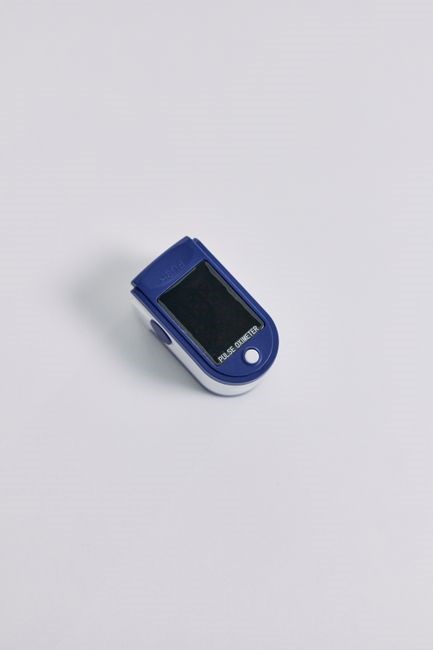
The O2 Concepts portable oxygen concentrator comprises several key components that work together to deliver clean, breathable oxygen efficiently. At the heart of the device is the high‑pressure compressor, which draws ambient air in and compresses it to a pressure of 12–15 psi. This compressed air is then directed to a two‑stage gas‑filter system that removes moisture, dust, and particulate contaminants, ensuring that only pure oxygen reaches the patient. The oxygen‑enriched stream is regulated by a flow‑control valve that allows the user to set the desired flow rate between 1.0 L/min and 5.0 L/min. A built‑in pulse‑oximeter continuously monitors the user’s oxygen saturation, providing real‑time feedback on the device’s performance. The concentrator’s power supply is a rechargeable lithium‑ion battery rated at 10 Ah, which can be charged via a standard AC adapter or a car‑port adapter for on‑the‑go use. The unit’s lightweight aluminum chassis houses all internal components and features a detachable carrying handle for portability. A digital display panel shows battery status, flow rate, and error codes, while a small speaker delivers audible alerts. The device also includes a detachable nasal cannula and a set of replacement filters that can be purchased separately. All components are designed for durability, with sealed junctions and corrosion‑resistant materials to withstand frequent use and travel conditions. Users should consult the manual for detailed safety guidelines to ensure optimal performance and longevity safe!.

Device Overview
The O2 Concepts portable concentrator delivers up to 5 L/min of oxygen, powered by a 10 Ah lithium‑ion battery. It features a two‑stage filter, pulse‑ox sensor, and digital display for flow and battery status. Lightweight aluminum housing and detachable handle make it travel‑ready for daily use now!
Power Supply Requirements
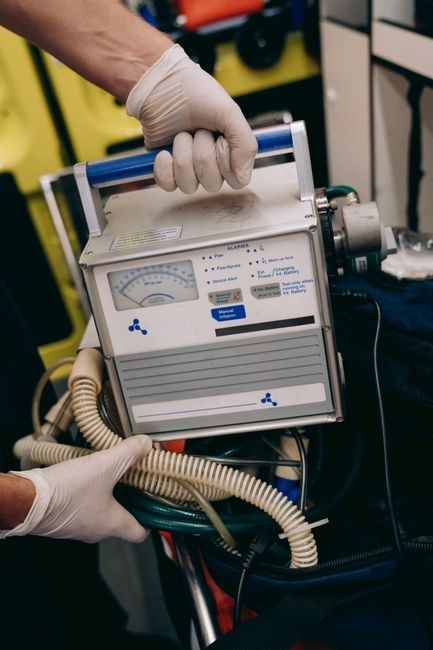
To operate the O2 Concepts portable oxygen concentrator, a dedicated power source is required. The unit is equipped with a rechargeable 10 Ah lithium‑ion battery that delivers a continuous 5 L/min flow for up to 8 hours on a full charge. The battery must be charged using the supplied AC adapter, which accepts 110–120 V, 60 Hz mains input and provides 5 A output. Charging time is approximately 4 hours for a full recharge. The device also includes a USB‑C port for quick charging via a 5 V/2 A supply, ideal for travel. When using the AC adapter, ensure the outlet is grounded and the cord is in good condition. Avoid over‑charging by disconnecting once the indicator shows full. The concentrator’s power management system monitors battery voltage and temperature, shutting down automatically if levels fall below 3.5 V or if overheating occurs. For extended use, carry a spare battery and a portable power bank with a minimum 10 Wh capacity. Do not use third‑party chargers or batteries not specified by the manufacturer, as they may damage the unit or pose safety risks. Keep the battery in a cool, dry place, never exposing it to temperatures above 35 °C or below 0 °C. Proper power supply handling ensures reliable oxygen delivery and prolongs battery life. When traveling, consider a car adapter that converts 12 V DC to the required 110 V AC via a built‑in inverter, allowing charging while on the move. Always inspect the charging cable for fraying before use. The device’s built‑in display shows battery percentage, remaining runtime, and any fault codes related to power supply. If the unit fails to start after charging, check the outlet voltage with a multimeter; a voltage below 100 V may prevent proper operation. Following these guidelines guarantees safe and efficient power management for the O2 Concepts concentrator. Remember to store the charger in a dry area and avoid exposing it to extreme temperatures. Also, keep the charging port clean to prevent dust buildup. Thanks.
Storage Guidelines
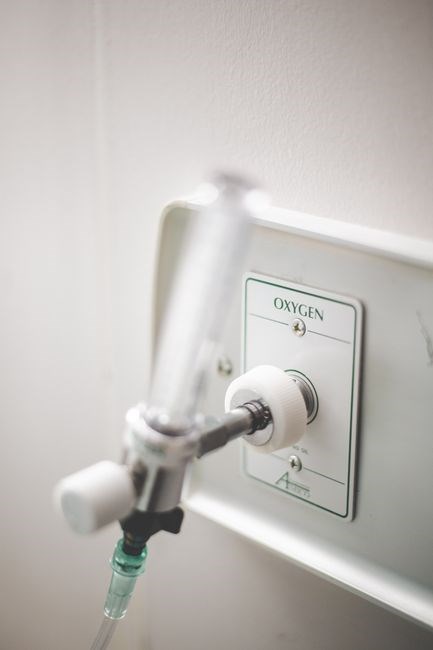
Proper storage of the O2 Concepts portable oxygen concentrator preserves battery health and device longevity. When not in use, keep the unit in a cool, dry environment, ideally between 50°F and 70°F (10°C–21°C). Avoid exposure to direct sunlight, high humidity, or temperatures above 86°F (30°C). Store the concentrator in its original packaging or a padded case to protect against impact. Remove the battery if the device will be stored for more than 30 days; keep the battery in a separate, well‑ventilated area at the same temperature range. Do not store the unit near flammable materials or in a sealed container that could trap heat. Before re‑activating the device after storage, inspect the air filter and replace it if it appears dusty or clogged. Ensure the charging port and connectors are clean and dry. If the concentrator has been stored for an extended period, perform a full charge cycle before first use to recalibrate the battery management system. Keep a log of storage dates and conditions to track any deviations from recommended parameters. Follow the manufacturer’s recommended storage humidity of less than 60% relative humidity. For long‑term storage, periodically check the battery voltage and perform a partial recharge every three months to maintain optimal performance. When packing for travel, place the concentrator on a soft surface inside a protective case and secure it with straps to prevent movement. Keep the device in a climate‑controlled compartment if stored in a vehicle. dry.
Setup and Assembly
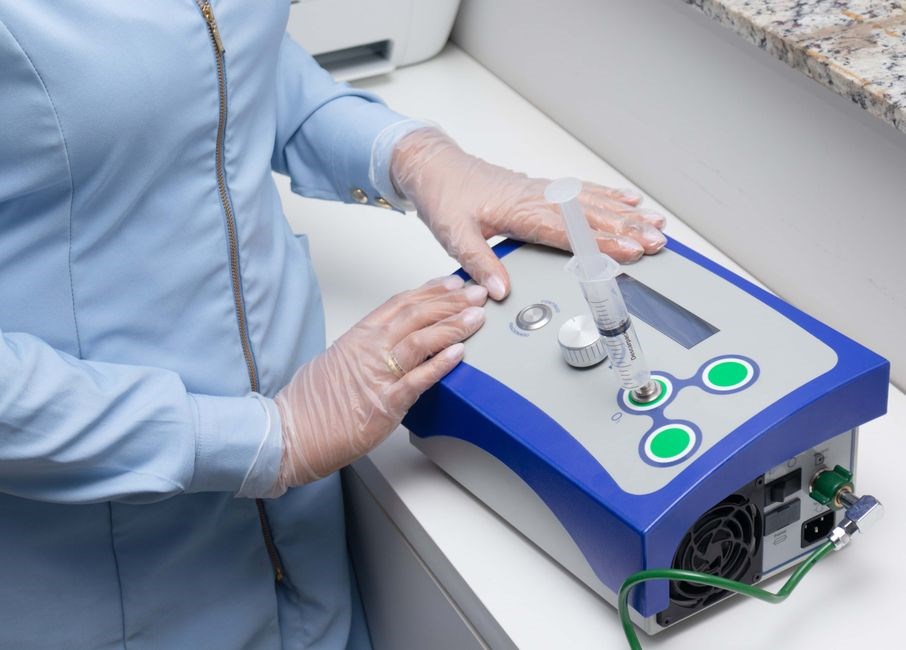
Unpack the unit, attach the tubing, and connect the oxygen mask. Ensure the filter is seated properly. Charge the battery fully before first use. Verify the power switch is on, then test the oxygen flow. Keep the device level to avoid leaks. Follow the guide now for safety.
Transportation Tips
When traveling with your O2 Concepts portable oxygen concentrator, follow these essential guidelines to keep the device safe. Use the manufacturer’s padded carrying case or a sturdy backpack that provides cushioning for the unit. Keep the concentrator upright during transit to prevent internal air‑filter movement and potential leaks. Avoid placing heavy items on top of the device, as excessive pressure can damage the compressor or electronics. Store the unit in a climate‑controlled environment; extreme heat or cold can degrade the battery and affect oxygen purity. Before departure, fully charge the battery or bring a spare power bank that meets the device’s voltage requirements. Secure the tubing with a quick‑release clamp and ensure it is not kinked or twisted, which could restrict flow. When packing, place the oxygen mask and tubing in a separate, padded compartment to avoid accidental damage. Label the case with your contact information and the device’s serial number for easy identification. Check airline regulations for medical devices, and carry a copy of the user manual and medical certificate. Finally, perform a quick function test upon arrival to confirm the concentrator is operating correctly before use! keep it handy. for quick!!
Additionally, keep a spare oxygen cylinder in your luggage for long flights and carry a backup battery pack. Use a travel lock to secure the device during security checks and inform TSA staff of its medical nature. Store the concentrator in a dry area when not in use and keep it handy.

Operation Instructions
Connect the mask to the concentrator, power on, select desired flow rate via the control panel, and monitor the display for oxygen purity. Adjust settings as prescribed, keep tubing free of kinks, and perform a quick flow test before use. Turn off when finished checknow.!
Operation Modes
The O2 Concepts portable concentrator offers three primary operation modes to accommodate varying clinical needs: Continuous Flow, Pulse Dose, and Adjustable Flow. Continuous Flow delivers a steady stream of oxygen at a user‑selected rate, ideal for patients needing constant therapy. Pulse Dose mode delivers oxygen in brief bursts synchronized with the patient’s inhalation, conserving oxygen and extending battery life during low demand. Adjustable Flow mode allows the user to set a baseline flow rate and fine‑tune it in real‑time via the touch‑screen interface, providing flexibility for changing activity levels or medical conditions. Each mode is accessible through the main control panel; the device automatically monitors oxygen purity and adjusts pressure to maintain a minimum 90% purity level. The display indicates the current mode, flow rate, and battery status. Users should familiarize themselves with mode selection before each use, ensuring that the chosen setting matches the prescribed therapy plan. For safety, the device includes an automatic shut‑off if flow drops below 0.5 L/min or if the mask is disconnected. The concentrator also features an alarm that alerts the user when the flow rate deviates from the set parameters or when the battery reaches critical low levels. During operation, keep the device level to prevent condensation buildup, and avoid placing the mask on a surface that could impede airflow. Regularly review the mode settings during routine checks to confirm consistency with the latest medical orders. Proper mode selection and monitoring ensure optimal oxygen delivery and device longevity. Recalibrate annually manufacturer’s guidance dailynow.
Reset Procedures
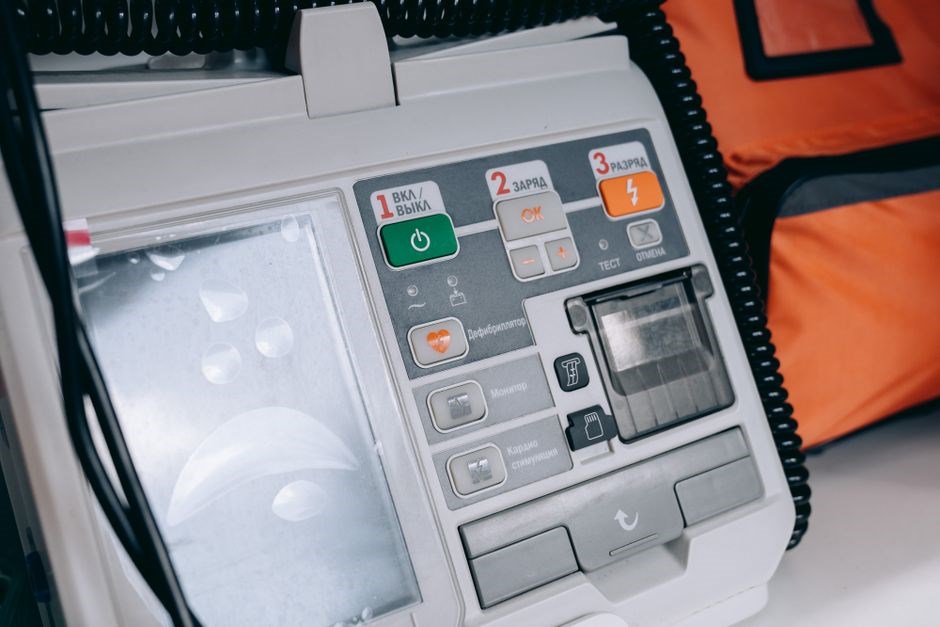
To reset the O2 Concepts concentrator, first power off the unit. Press and hold the main power button for 5 seconds until the display goes dark. Then locate the recessed “Reset” button on the rear panel near the battery connector. Using a pin, press and hold this button for exactly 7 seconds; a blue LED will flash once, confirming the reset command. The unit will reboot, restoring factory defaults and clearing all user‑defined settings. The reset also clears the alarm timer, resetting it default 5 minutes. If the device does not respond, disconnect the battery pack, wait 30 seconds, reconnect, and repeat the reset. After reboot, the screen shows the default flow rate (2 L/min) and pulse dose. Re‑enter your prescribed flow, pulse dose, and alarm thresholds via the touch‑screen menu. Verify the oxygen purity indicator shows ≥ 90 % before resuming therapy. If an error code appears, consult the troubleshooting guide or contact O2 Concepts support. A reset clears temporary memory, resolves minor glitches, and ensures optimal performance. Log the reset date for maintenance records!
Post‑reset, perform a quick self‑check: press the “Test” button to confirm oxygen flow is within the safe range and listen for the compressor’s normal humming. If the compressor fails to engage, inspect the filter and replace it if clogged. The reset also clears the alarm history; view the cleared log in the “Maintenance” section. After reset, run a 30‑second calibration cycle by selecting the calibration option in the menu to ensure accurate flow measurement. For firmware updates, connect the concentrator to the O2 Concepts mobile app via Bluetooth and follow the on‑screen prompts. Firmware updates are recommended annually to maintain compliance with safety standards. If a red LED lights after reset, it indicates a filter replacement is required. Document the firmware version and reset date in the patient’s record. This routine guarantees safe and reliable operation for each session.

Maintenance and Troubleshooting
Regular cleaning of the inlet filter, checking battery health, inspecting tubing for kinks are essential. If the device displays a red LED, replace the filter. For power issues, ensure charger is connected battery is charged. Contact support for firmware update.!
Cleaning Routine
Maintaining your O2 Concepts portable oxygen concentrator ensures safe, efficient operation and prolongs device life. Begin by turning off the unit and disconnecting the power source. Remove the inlet filter, rinse it under lukewarm water, and allow it to dry completely before reinsertion. Next, wipe the exterior with a damp, non‑abrasive cloth; avoid harsh chemicals that can damage the casing. Inspect the tubing for kinks or cracks; replace any compromised sections immediately. The oxygen reservoir should be cleaned monthly with a mild, pH‑neutral solution, then rinsed and dried. For the internal air intake, use a soft brush to dislodge dust, ensuring no debris enters the compressor. Finally, verify that the battery compartment is free of moisture and corrosion; if corrosion is present, clean with a cotton swab dampened in isopropyl alcohol. After each cleaning cycle, run a short test mode to confirm all components function correctly. Consistent adherence to this routine will reduce maintenance costs and enhance patient safety.
In addition, schedule a professional inspection annually, especially if the device is used in high‑altitude environments or for extended periods. Keep a log of cleaning dates and any observed anomalies. This record aids troubleshooting and warranty claims. Remember to store the concentrator in a cool, dry place, away from direct sunlight, and to protect the filter housing from dust when not in use. By following these steps, you maintain optimal airflow, reduce the risk of contamination, ensure reliable oxygen delivery for your therapy needs.
Troubleshooting Common Issues
When the O2 Concepts concentrator displays error codes or fails to deliver oxygen, follow these steps:
- Check power: Ensure the unit is properly plugged in and the outlet is functioning. Inspect the power cord for damage.
- Verify filter status: A clogged filter triggers low‑flow alarms. Clean or replace the inlet filter per the manual.
- Inspect tubing: Look for kinks, leaks, or disconnections. Replace damaged sections immediately.
- Confirm battery health: Low battery voltage can cause intermittent operation. Charge fully before use.
- Reset the device: Hold the power button for 10 seconds to reboot. If the problem persists, perform a factory reset as described in the user guide.
- Look for error codes: Refer to the error code chart in the manual. Common codes include 01 (low pressure) and 02 (filter replacement needed).
- Check ambient temperature: Operating above 95°F can reduce performance. Move the unit to a cooler area.
- Review maintenance log: Identify recurring issues that may indicate a component failure.
Common hardware glitches include power loss, compressor noise, or sensor readouts that deviate from expected ranges. When encountering such anomalies, verify all connections, then consult the error code reference. If problems persist, schedule appointment with technician daily.!
If none of these actions resolve the issue, contact O2 Concepts support for professional assistance. Keep your warranty information handy for expedited service.
Warranty and Support
The O2 Concepts portable oxygen concentrator comes with a two‑year limited warranty covering manufacturing defects and component failures. The warranty is valid only for the original purchaser and requires proof of purchase, such as the receipt or order confirmation. During the warranty period, the manufacturer will repair or replace any defective part at no charge, provided the unit has been used in accordance with the user manual.
To file a claim, contact O2 Concepts support by phone at 1‑800‑O2‑CONC (1‑800‑663‑2662) or via the online portal at www.o2concepts.com/support. A service technician will schedule a home visit or arrange for the unit to be shipped to an authorized service center. Shipping costs are covered if the warranty is valid; otherwise, the customer is responsible for return shipping.
Warranty exclusions include damage from misuse, accidental drops, exposure to liquids, or unauthorized modifications. The warranty does not cover consumables such as filters, tubing, or batteries, which must be replaced per the maintenance schedule. If a component fails outside the warranty period, a repair fee will apply.
For extended coverage, customers may purchase an optional 5‑year extended warranty plan. This plan adds coverage for accidental damage and includes priority service. Terms and conditions apply. For more information, visit the extended warranty page on the website or request a brochure by calling the support line.
O2 Concepts also offers a 24/7 helpline for troubleshooting and technical assistance. The helpline is staffed by certified technicians who can guide users through basic diagnostics and provide instructions for resetting the unit. In case of a critical failure, the company will arrange for an emergency replacement unit to be delivered within 48 hours. All warranty claims must be submitted within the coverage period and documented with photographic evidence!!!