Overview
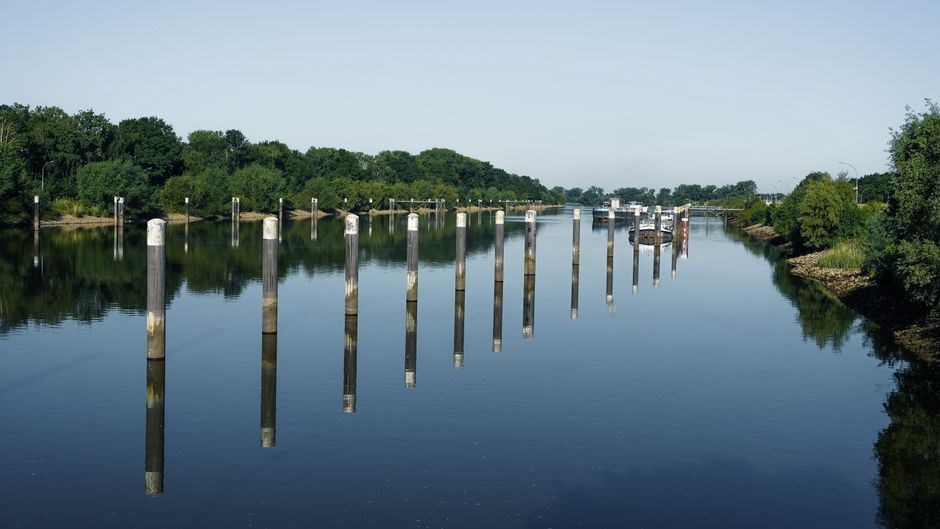
Boat guide posts are essential navigational aids that mark safe passages, channel boundaries, and hazards for vessels. They provide clear visual cues, improve maritime safety, and help mariners maintain situational awareness in complex waterways. They guide vessels through narrow channels and busy ports and safely!!
Purpose
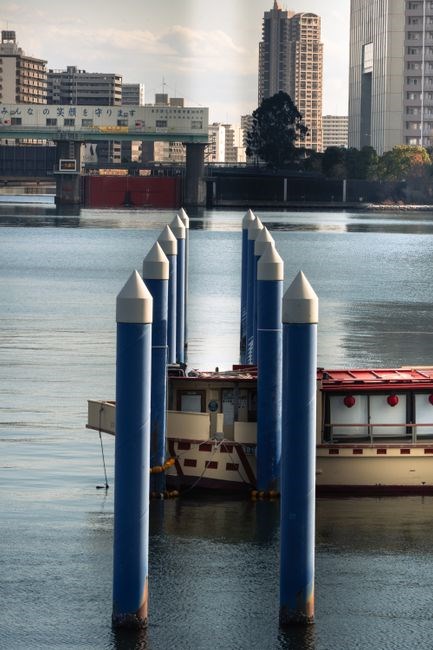
Boat guide posts serve as navigational markers that delineate safe water routes, signal channel entrances and exits, and warn mariners of hazards such as shallow areas, submerged obstructions, or abrupt depth changes. By providing a clear, visible reference point, these posts enable vessels—whether small recreational boats, commercial cargo ships, or fishing fleets—to maintain proper alignment within a channel, avoid collisions, and reduce the risk of grounding. Their strategic placement along waterways enhances situational awareness, especially during low visibility conditions like fog, night, or heavy rain, when visual cues become critical. Moreover, boat guide posts contribute to regulatory compliance by reinforcing maritime traffic rules, assisting in the enforcement of speed limits, and supporting environmental protection measures that prevent accidental spills or damage to sensitive marine habitats. In essence, the purpose of a boat guide post is to act as a reliable, durable beacon that safeguards both human life and ecological integrity by facilitating safe navigation, fostering maritime safety culture, and ensuring vessels can traverse complex waterways with confidence and precision.
In addition to their primary navigational role, boat guide posts often incorporate reflective materials or illumination systems that enhance visibility during nighttime or adverse weather. They are typically constructed from corrosion-resistant metals, composite materials, or treated timber, ensuring longevity in harsh marine environments. Installation guidelines emphasize proper anchoring, height, and spacing to maximize effectiveness while minimizing interference with existing infrastructure. Regular maintenance, such as cleaning, repainting, and inspection for structural integrity, is essential to preserve their functionality and compliance with maritime safety standards.
These posts also serve as reference points for navigation systems and support maritime training programs!!!??.
Scope
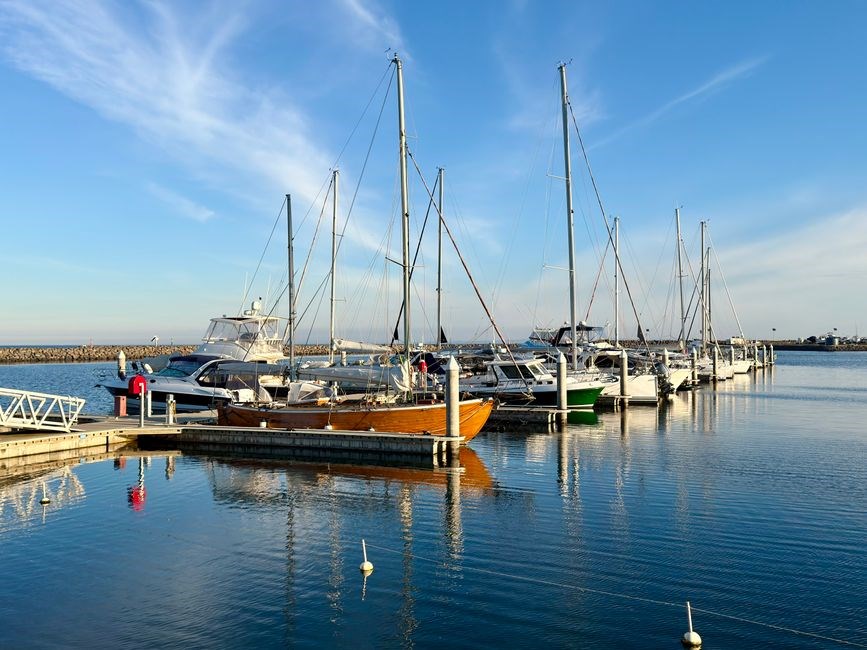
Boat guide posts are essential markers placed throughout a wide range of maritime environments, from busy commercial ports to quiet recreational coves. Their scope covers all navigable waters, including open seas, coastal bays, estuaries, inland rivers, and lakes that support shipping, fishing, and leisure boating. By delineating channel edges, safe passageways, and hazard zones, these posts provide a universal reference that helps vessels of all sizes maintain proper alignment and avoid collisions or groundings. The scope also extends to regulatory frameworks, where guide posts support compliance with international maritime conventions, national harbor regulations, and local environmental protection statutes. In addition, they play a role in emergency response planning, offering fixed points for search and rescue coordination and facilitating the deployment of life‑saving equipment. Design and placement must consider tidal ranges, wave action, sediment transport, and shoreline erosion, ensuring the posts remain effective under changing conditions. The scope further includes educational outreach, where guide posts serve as tangible tools for teaching navigation, marine safety, and stewardship to students, trainees, and the public. By integrating LED illumination, reflective coatings, and sensor arrays, modern guide posts expand their scope to support real‑time monitoring of depth, currents, and vessel traffic. Ultimately, the scope of boat guide posts is defined by their role as indispensable navigational aids that safeguard human life, protect marine ecosystems, and uphold the integrity of maritime commerce and recreation. Moreover, boat guide posts adapt to emerging technologies, such as autonomous navigation systems and real‑time data feeds, ensuring mariners receive consistent, multi‑modal guidance regardless of vessel type or operating conditions. This evolution reinforces safety and supports sustainable maritime development. Now.
Types of Boat Guide Posts
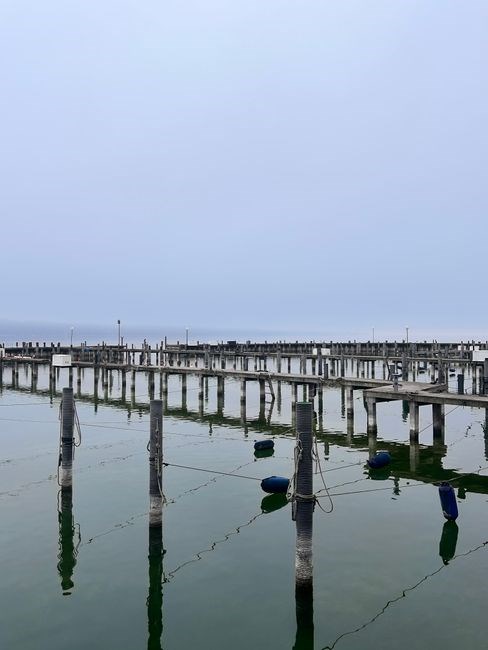
Boat guide posts vary by environment: coastal posts mark shoreline edges, channel boundaries, and safe lanes amid tidal currents. Inland posts guide river and lake traffic, indicating depth limits, obstacles, and navigation aids; Each type is tailored to local conditions, ensuring clear, reliable guidance for all vessels for safety.and compliance.
Coastal Posts
Coastal guide posts are strategically positioned along shorelines, estuaries, and harbor entrances to delineate safe navigation corridors, warn of submerged hazards, and provide reference points for pilots. They are typically taller than inland markers, often ranging from 12 to 30 feet, to maintain visibility over waves and fog. The posts are constructed from durable materials such as galvanized steel, aluminum, or composite polymers that resist corrosion, UV degradation, and marine growth. Reflective sheeting or high‑visibility paint is applied to enhance daytime recognition, while luminous coatings or LED arrays ensure nighttime illumination. Many coastal posts incorporate integrated electronic sensors that detect vessel proximity, water depth, or tidal conditions, transmitting data to shore‑based monitoring stations. The design also accounts for wave impact, wind loading, and seismic considerations, with foundations anchored in concrete or rock piles to secure stability. Installation requires coordination with maritime authorities to avoid interference with existing navigation aids and to comply with regulatory standards. Maintenance schedules include regular inspections for paint integrity, structural soundness, and electronic functionality, with routine cleaning to remove biofouling and debris. By providing clear, reliable guidance, coastal posts play a pivotal role in safeguarding maritime traffic, reducing collision risks, and supporting efficient port operations. Their presence ensures that even during low visibility or adverse weather, vessels can navigate safely, minimizing risk, protecting marine ecosystems for safety!
Inland Posts
Inland boat guide posts are installed along rivers, canals, and lakes to demarcate safe channels, indicate depth changes, and warn of obstacles such as submerged logs or shifting sandbars. They are typically shorter than coastal markers, often 6 to 12 feet tall, but are designed to be highly visible against the water’s surface and surrounding vegetation. Materials used include weather‑resistant steel, aluminum, or composite panels that resist rust, UV damage, and biofouling. Many inland posts feature high‑contrast paint schemes—usually bright orange or yellow—combined with reflective tape to improve daytime visibility. In low‑light conditions, posts may be equipped with small LED lights or solar‑powered illumination to provide nighttime guidance. The foundation of inland posts is usually a concrete footing or a steel base anchored to the riverbed or lake bottom, ensuring stability against currents and occasional flooding. Installation requires coordination with local waterway authorities to avoid interference with existing navigation aids and to comply with regulatory guidelines. Routine maintenance includes periodic inspections for paint degradation, structural integrity, and any damage caused by debris or wildlife. Cleaning is performed to remove algae, barnacles, and sediment buildup that can obscure visibility. By providing clear, reliable markers, inland posts enhance safety for recreational and commercial vessels, reduce collision risks, and support efficient waterway traffic management. These posts are vital for safe waterway navigation, protecting vessels and the environment.
Design Principles
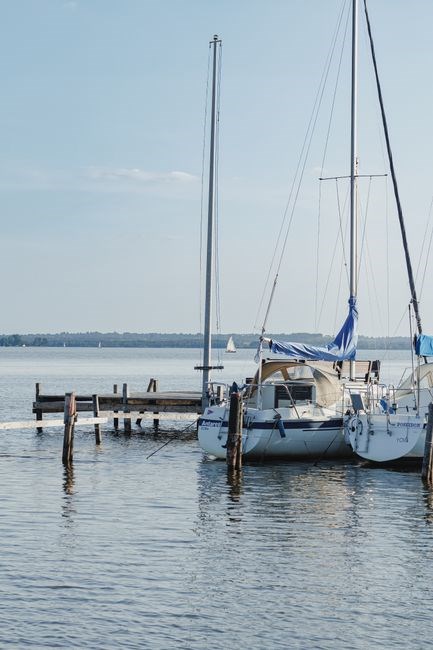
Effective boat guide posts balance visual clarity and robust construction. They use high‑contrast colors, reflective materials, and weather‑proof finishes to survive harsh aquatic conditions. Positioning ensures clear sightlines, while modular designs simplify installation, future upgrades.!
Boat guide posts are essential navigational aids that mark safe passages, channel boundaries, and hazards for vessels. They provide clear visual cues, improve maritime safety, and help mariners maintain situational awareness in complex waterways. They guide vessels through narrow channels and busy ports and safely!!
Effective boat guide posts balance visual clarity and robust construction. They use high‑contrast colors, reflective materials, and weather‑proof finishes to survive harsh aquatic conditions. Positioning ensures clear sightlines, while modular designs simplify installation, future upgrades.!
Visibility
Visibility is the cornerstone of any effective boat guide post. The design must ensure that the post is unmistakably discernible against the surrounding environment, regardless of weather, light conditions, or vessel speed. Key strategies include:
- High‑contrast color schemes – Bright, saturated hues such as orange, yellow, or white against a dark background create instant recognition.
- Reflective or retro‑reflective coatings – These materials bounce back light from navigation lamps, making posts visible at night or in low‑visibility conditions.
- Optimal height and placement – Posts should be tall enough to be seen from a distance yet positioned to avoid blind spots caused by nearby structures or vegetation.
- Consistent spacing – Uniform intervals between posts help mariners gauge distance and maintain a safe course.
- Integrated lighting – Solar or battery‑powered LED fixtures can illuminate the post, enhancing visibility during dusk, dawn, or fog.
- Clear, legible markings – Large, bold numerals or symbols ensure that critical information is readable even from a moving vessel.
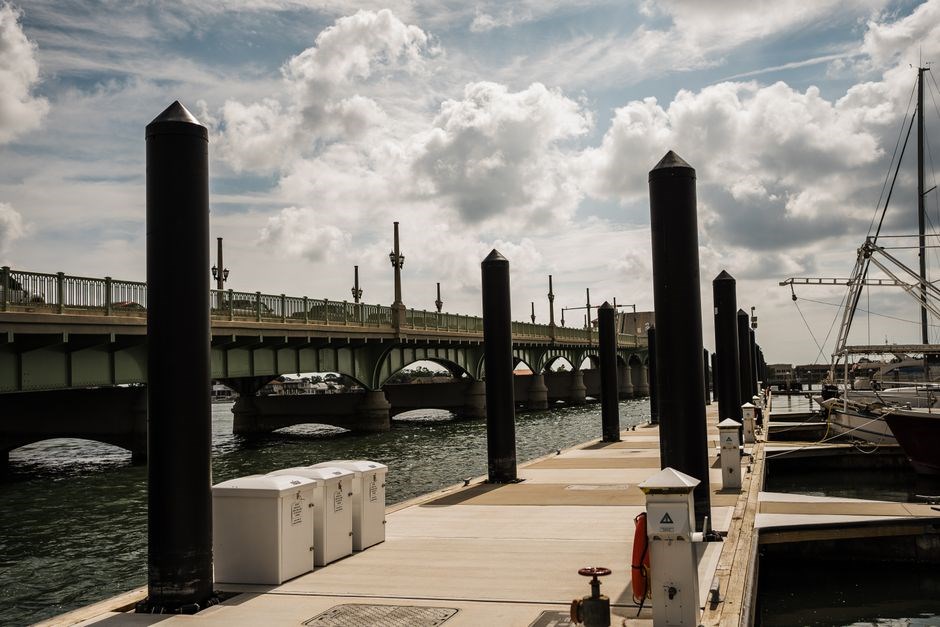
By combining these elements, designers create guide posts that are unmistakably visible, thereby reducing navigational errors and enhancing maritime safety.
These posts serve as guardians, guiding vessels safely through treacherous waters, ensuring compliance with maritime regulations, and fostering confidence among crews all worldwide.
Durability
Durability is the backbone of any boat guide post, ensuring it withstands the relentless forces of waves, salt spray, and mechanical impact. Materials chosen must resist corrosion, UV degradation, and abrasion. Common options include marine‑grade stainless steel, anodized aluminum, and high‑density polyethylene (HDPE). Each offers distinct advantages: stainless steel provides a unmatched strength and longevity; anodized aluminum offers a lightweight yet robust solution; HDPE delivers excellent resistance to chemicals and impact with minimal maintenance.
Design strategies further enhance durability. Rounded edges reduce stress concentration, while a double‑layered construction protects the core from direct contact. Protective coatings—such as epoxy or polyurethane—add an extra barrier against saltwater erosion. For high‑traffic zones, impact‑resistant inserts or reinforced bases prevent deformation from collisions or heavy debris.
Installation depth and anchoring are critical. Posts embedded in concrete or anchored to pilings should be secured with corrosion‑resistant fasteners and waterproof sealants. Regular inspection schedules, typically bi‑annual, allow early detection of wear, rust, or structural compromise. Cleaning protocols using non‑abrasive brushes and mild detergents prevent surface damage while removing biofouling.
By integrating material science, boat guide posts maintain their structural integrity visual clarity over decades, safeguarding vessels and ensuring compliance with maritime safety standards worldwide. They withstand harsh tides.
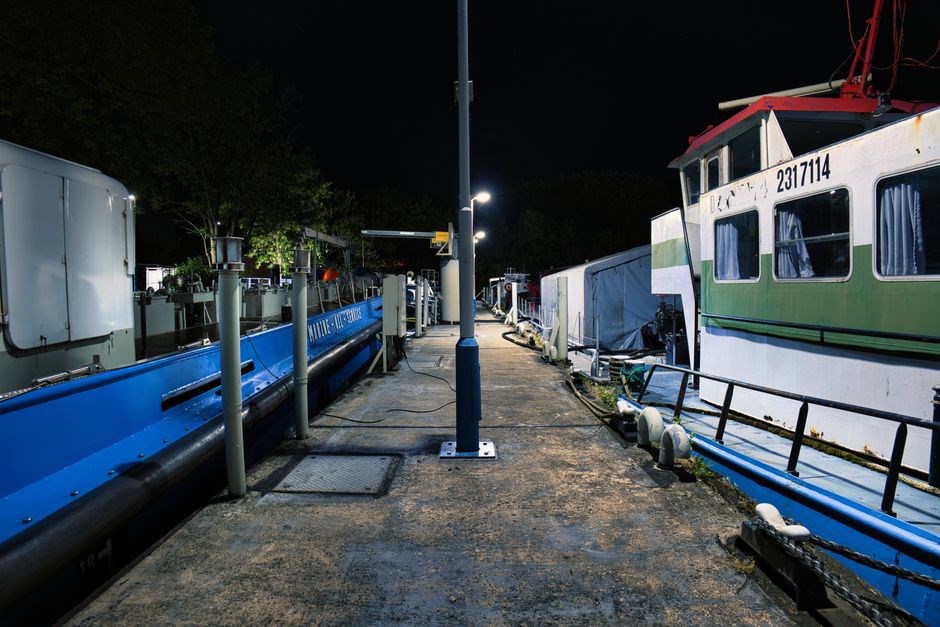
Legibility
Legibility is the core of boat guide posts, ensuring that mariners can instantly recognize and interpret markings regardless of distance, lighting, or weather conditions. The design must prioritize high‑contrast colors, such as bright orange or white against a dark background, to stand out against water and sky. Reflective materials or retro‑reflective coatings further enhance nighttime visibility, allowing pilots to spot posts from afar even in low‑light environments.
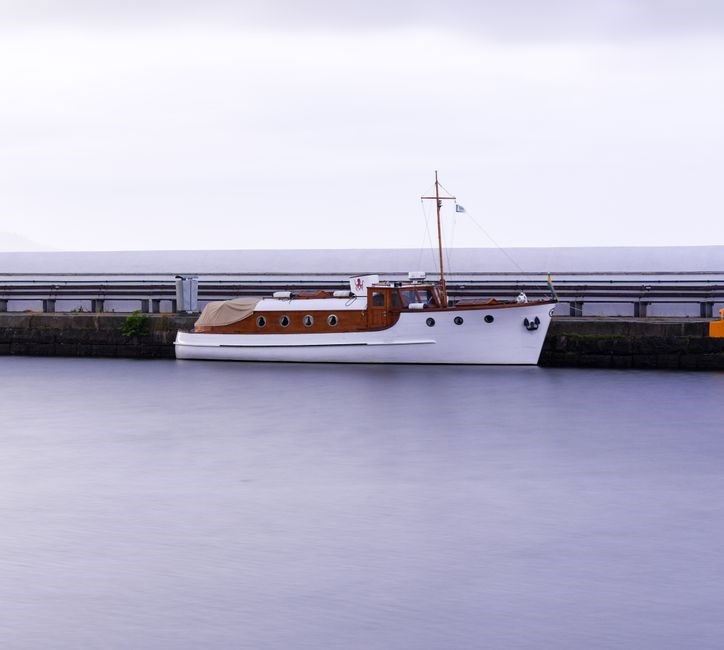
Installation & Maintenance
Install posts on foundations use corrosion‑resistant fasteners, keep markers level. Inspect for rust, clean reflective surfaces replace damaged parts to maintain clear signals. daily!!! Regular checks keep posts visible in all weather, extending life and protecting vessel safety.
Site Selection
Site selection for boat guide posts demands a systematic approach that balances navigational safety. The first step is to conduct a detailed hydrographic survey that maps water depth, current velocity, tidal fluctuations, and the distribution of submerged hazards such as reefs, shoals, and wrecks. This data informs the optimal placement of posts so that they lie within the safe channel and remain visible to vessels weather conditions. Visibility is a non‑negotiable requirement; therefore the chosen site must provide an unobstructed line of sight from both the water and the shore, avoiding obstructions like trees, buildings, or other navigational aids that could mask the post.
Next, engineers assess the seabed composition to determine the most suitable foundation type. In sandy or muddy bottoms, a deep‑piled foundation may be necessary to prevent scour, while rocky substrates can support a concrete footing. The foundation must be designed to withstand the forces of waves, currents, and potential vessel impacts. In addition, the installation site should be evaluated for its susceptibility to erosion, sediment transport, and long‑term stability. A site prone to rapid shoreline change may require additional protective measures such as riprap or breakwater structures to preserve the post’s integrity.
Finally, the chosen location must comply with local maritime regulations and environmental protection statutes. Authorities often mandate specific dimensions, color schemes, and lighting requirements to ensure uniformity across the navigational aid network. The site should allow routine maintenance without posing undue risk to personnel or the ecosystem. This ensures continued safety and navigational reliability for all users.
Mounting
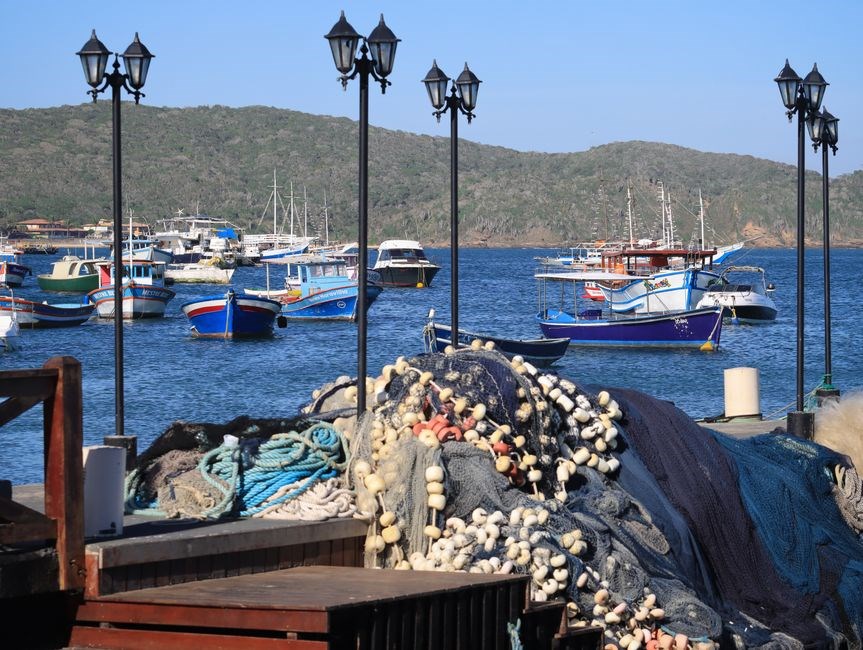
Mounting boat guide posts requires a precise engineering approach to ensure long‑term stability and safety. The first step is to select a foundation type that matches the seabed conditions, such as a concrete footing for sandy bottoms or a steel pile for rocky substrates. Engineers calculate the bearing capacity and load distribution to guarantee the post can resist wave action, currents, and accidental impacts from vessels. Once the foundation is prepared, the post is positioned using GPS coordinates and a temporary stake to maintain accurate placement. The post is then lowered into position, often with the aid of a crane or winch system, and aligned to maintain a vertical orientation within a tolerance of a few degrees. After placement, the post is anchored to the foundation using high‑strength bolts or epoxy resin, depending on the material and environmental conditions. The anchoring system must resist uplift forces from waves and scour, and in coastal environments additional protective measures such as a surrounding concrete ring or steel cage may be installed to shield the post from debris and reduce erosion. The mounting procedure also includes installing reflective markers or LED lighting at specified heights to enhance visibility during low‑light conditions. Finally, a post‑installation inspection verifies the structural integrity, correct height, and alignment, and any necessary adjustments are made before the post is declared operational. Regular monitoring is recommended to detect any settlement or corrosion that could compromise the mounting over time.
Cleaning
Regular cleaning of boat guide posts is essential to maintain visibility, structural integrity, and compliance with maritime regulations. The process begins with a visual inspection to identify biofouling, corrosion, or paint degradation. Once identified, the cleaning method is selected based on the material of the post, the extent of fouling, and environmental considerations. For steel posts, high‑pressure water jets or abrasive blasting can remove barnacles and algae, but care must be taken to avoid surface damage that could accelerate corrosion. After blasting, a marine‑grade primer and paint are applied to restore the protective coating. The post is then inspected for any signs of wear or damage that may have been revealed during cleaning. If necessary, repairs are carried out immediately, such as patching holes or replacing damaged sections. Finally, a maintenance log is updated to record the cleaning date, method used, and any observations. This log is critical for future inspections and ensures that the post remains safe and functional for mariners. The cleaning crew checks for corrosion coating
Moreover, crews should employ protective gear and adhere to safety protocols during cleaning to prevent injuries. Using high‑visibility vests, gloves, and eye protection is mandatory, especially when handling abrasive materials or chemicals. Training on proper equipment operation reduces the risk of accidents. After each cleaning session, the crew should conduct a quick safety debrief, noting any incidents or near‑misses, to continuously improve the maintenance process.
All tasks are logged daily All logs kept!!.